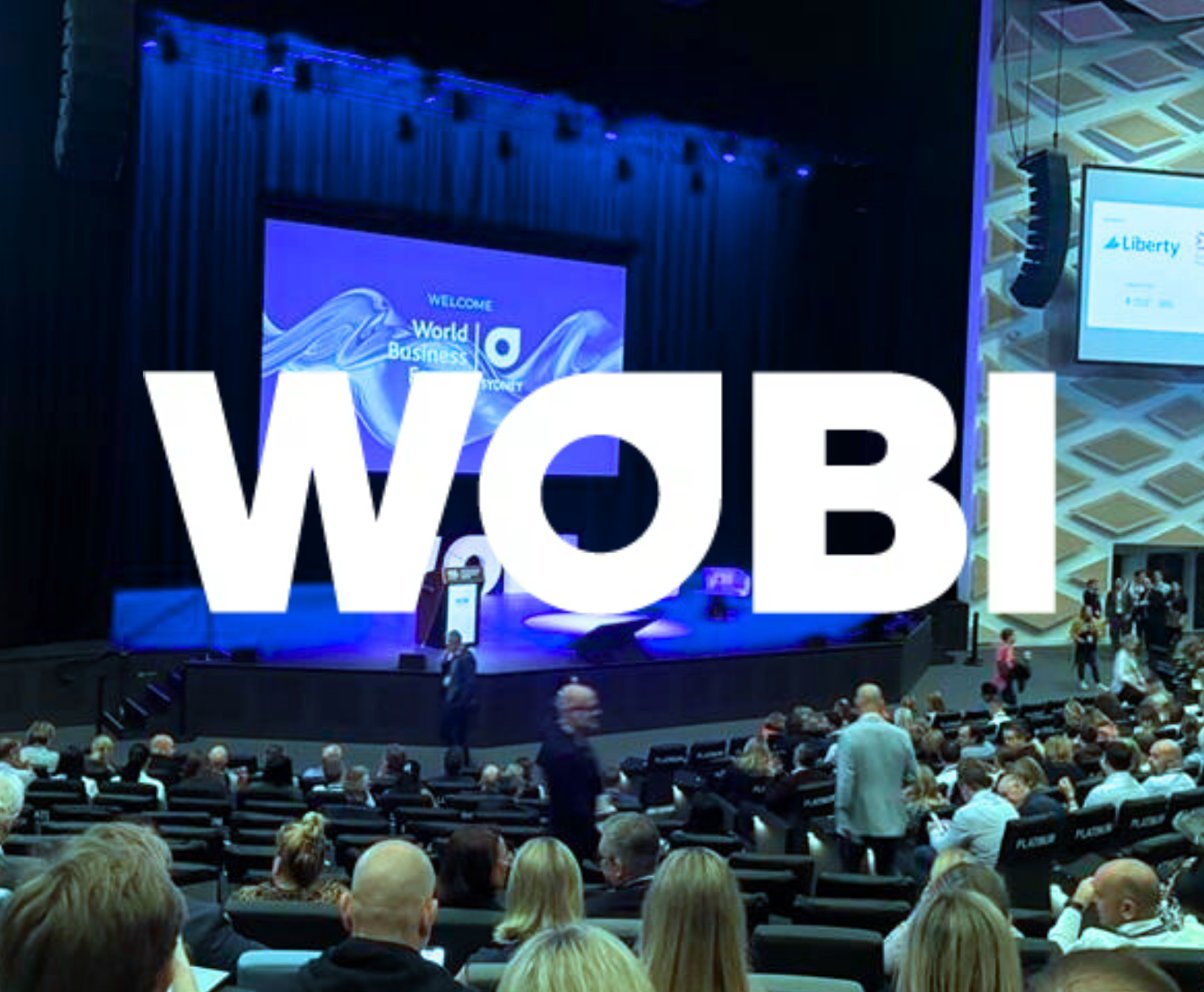
In my role as a founder and leadership performance advisor to many top executives, I have had the privilege of interviewing some of the most remarkable change-makers: from Oscar-winning film director James Cameron to Dr Jane Goodall and Julie Bishop. While each is a master of their craft, they all share one thing in common: an insatiable curiosity and a commitment to relentless progress.
Seeing the impact of this kind of conviction has profoundly shaped how I think about leadership, the responsibility we carry, and the role we play in building the next generation of leaders who are in pursuit of excellence.
With AI accelerating productivity and demands on leaders rising, the human fundamentals of leadership are more important than ever. And no industry tests those fundamentals more rigorously than hospitality – the pace, the competition, the intensity of customer expectations, the standards of service, and the financial pressures. At its core, hospitality is about creating nostalgic moments. These memories frame future expectations that set the bar for both expected service on return as well as a benchmark for comparing future experiences. The moments combine place, product and service, together with care, task, perfection and personal interaction.
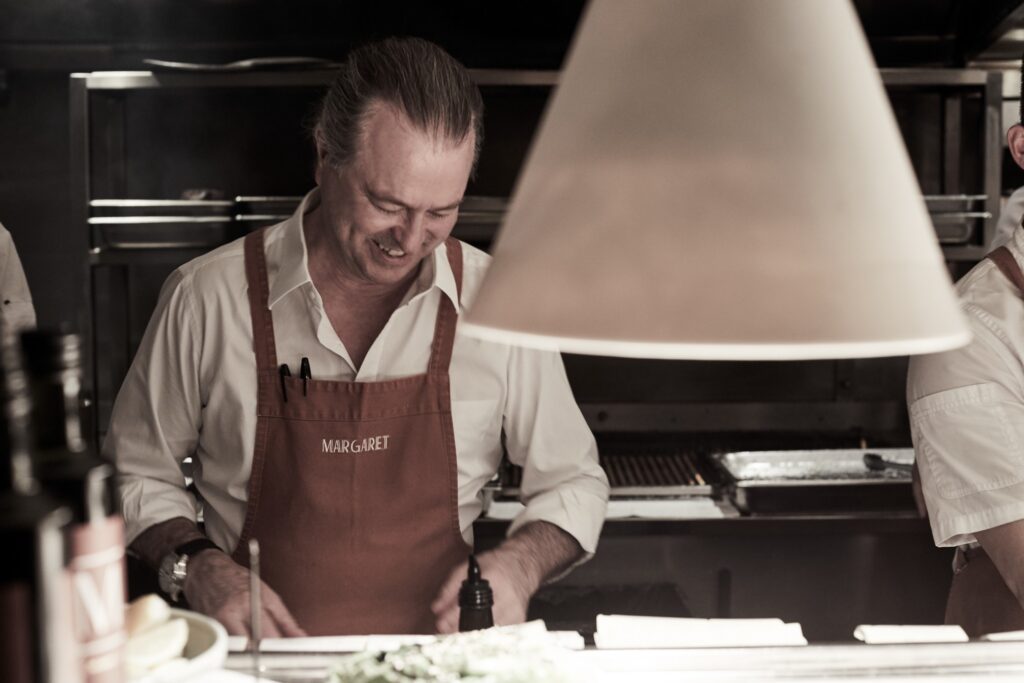
There are few who have embraced this combination of business prowess and creative passion more vigorously than Australia’s Neil Perry AM. Recently, I had the rare opportunity to hear firsthand what has shaped him into the trailblazer and culinary icon he is today.
What unfolded was a story-fuelled masterclass in what comes with finding and sustaining excellence for over five decades, in an industry that challenges your relevance every single day.
Here’s what stayed with me.
Curiosity as a Lifelong Discipline
From his earliest days, Neil’s defining quality has been curiosity, not the passive kind, but the productive kind. The kind that drives you to understand where produce comes from. To read about the world’s greatest chefs. To pull threads continuously for six decades without losing intensity.
What struck me most was how he channelled that curiosity into valuable action. Growing up with a father who was a butcher and his mother, Margaret, who created many family memories through her wholesome cooking, food was woven into the fabric of his early life. Largely self-taught, he did not simply wonder about things; he pursued them, learned them, and built from them.
That is the distinction between interest and mastery.
Sliding Door Moments Require Readiness and Preparedness
Neil spoke openly about the pivotal moments in his career, the ones that changed everything. But here is the insight that resonated deeply with me: sliding door moments do not just happen to you. You must be primed to see them. You must have the courage to step through them, even when fear is present.
His journey to Rockpool was not luck. It was years of curiosity, passion, and ambition that created the conditions for him to recognise the moment and act. He built the ecosystem around himself: unique relationships and know-how with people who shared his conviction for differentiation, so that when the door opened, he was ready.
Most people wait for opportunities. Neil created the conditions for them, which confirms a notion I believe in – preparedness over prediction.
The Power of External Validation
Neil is deeply self-driven and intrinsically motivated by passion and purpose, as many founders are. Yet he generously acknowledged the moments when external reinforcement shifted the trajectory of his life.
Early in his career, prominent food critic Leo Schofield watched him cook and declared, “This kid is a star.” Neil had been cooking for less than a year. That validation did not create his talent, but it reinforced his courage to keep stepping up, levelling up, and believing he belonged at the top of his game.
It reminded me of my own early career. I was fortunate to find this kind of advocacy from people who didn’t expect anything in return. They influenced my life more than I realised at the time.
We often forget the weight our voices carry as leaders and how deeply our acknowledgement can shape someone’s belief. We get caught in the busyness of life, in the urgency of deadlines, and we forget the power of simply saying: I see you. You are talented. Keep going.
We have a responsibility to see talent and say so. To advocate, to reinforce, to be someone else’s Leo Schofield moment, and as leaders, our role is to resolve and reduce pressure points, not create them.
Building Talent Through Ecosystems
Neil’s career is also a study in how talent compounds within ecosystems. He grew up during an era when a concentrated group of top chefs were rising together, feeding each other’s curiosity, passion, and healthy competition that fuels excellence. A decade later, chefs like Matt Moran learned from what that generation had built and carved their own pathways.
Talent does not emerge in isolation; it is fostered in communities where people push each other, inspire each other, and create space for the next generation to rise.
Neil understood this instinctively. He did not just build a restaurant; he built an ecosystem of like-minded people, reinforcing it with acknowledgement, gratitude, and generosity.
A Modern View of Partnership
One detail from the evening was particularly defining for me. On the day of our event, knowing he was hosting a room filled with prominent executives that evening, Neil spent his time on the harbour with his partners from Argentina, deepening his relationships and trusting his team preparing for the event.
That speaks volumes about where he places value. Suppliers are not vendors. They are colleagues. Compatriots. Partners in the pursuit of excellence.
This was not born from corporate strategy; it was born from necessity as a founder. When you do not yet have the resources or scale, you must make smart choices and entrust the people who make your vision possible. Over time, that ecosystem becomes your competitive advantage.
Care Is Operational, Not Ornamental
The word that defined the evening was “care” but not care as a corporate value statement. Care as a lived, operational discipline.
We saw it in his people, in their service, in their attention to detail. We saw it when Neil was worried about whether he had gone over time in our interview and whether that would impact the food prepared by his chefs. These were not grand gestures. They were small, consistent acts of intention.
These rituals are not programmatic. They are not contrived organisational practices rolled out from HR. They are born from passion and expressed through consistency in small moments.
In large corporations, we often try to orchestrate care. We design programs. We create frameworks. But real care scales through conviction and authenticity, not through process. When you genuinely believe in it, it shows up everywhere. Naturally, consistently and without enforcement.
Passion Sustains
As Neil approaches his 70th birthday next year, he looks incredibly healthy, energised, and fully present. That is what happens when you are fuelled by purpose and deeply connected to something larger than yourself.
I have become increasingly passionate about sustainability in leadership, particularly for those in high-pressure roles. It is a topic I think about often, especially after completing a Harvard course on health and sustainability last year.
Watching Neil embodied so much of what I learned. There is a vitality that comes from deep passion, from commitment to goodness: good food, good work, good relationships. From doing things that fuel your fire rather than drain it.
What I’m Taking Forward
Purpose provides direction. Passion supplies energy. Together, they create momentum that does not merely sustain you; it attracts aligned people, builds ecosystems, and compounds over time.
As we look to the next era of leadership, what we at Maximus define as the value-making era, the demands on leaders will only intensify. This era requires leaders who embody more curiosity, courage, care, and conviction than ever before. It is critical to invest in the traits that will shape the impact you have, not only on your career, but on your people, your customers, your community and the ecosystem that has shaped your success.
Reflecting on Neil Perry’s leadership lessons, my advice to leaders is this:
- Stay curious, not passively, but productively.
- Be ready, so when sliding doors open, you can walk through them.
- Acknowledge others; your words carry more weight than you realise.
- Care consistently, in the small moments, not just the big programs.
- Let passion lead. It is what sustains excellence over decades.
A heartfelt thank you to Neil Perry for his generosity in sharing his story. I leave with priceless insights and treasured memories, and perhaps even the ambition to improve my own skills in the kitchen.