
Leadership in the AI Era: What the Fastest Transformation in History Really Demands of Leaders
Brent Duffy shares five insights for CEOs and executives navigating the fastest technological transformation in history.

Brent Duffy shares five insights for CEOs and executives navigating the fastest technological transformation in history.

Attending this year’s AFR Workforce Summit was a reminder that while the headlines might change, the big questions shaping work and leadership are still the same. But they are getting deeper, more complex – and more urgent.

Exploring insights from Maximus Next Gen Immersions on the future of leadership, including global perspectives from workforce futurist Gary Bolles, an Intergenerational Panel and Gen Z’s from across the world.

Unlocking AI Leadership: Brent Duffy of Maximus offers insights for leaders into embracing AI’s potential, fostering curiosity, pausing for perspective and driving ethical AI transformation.
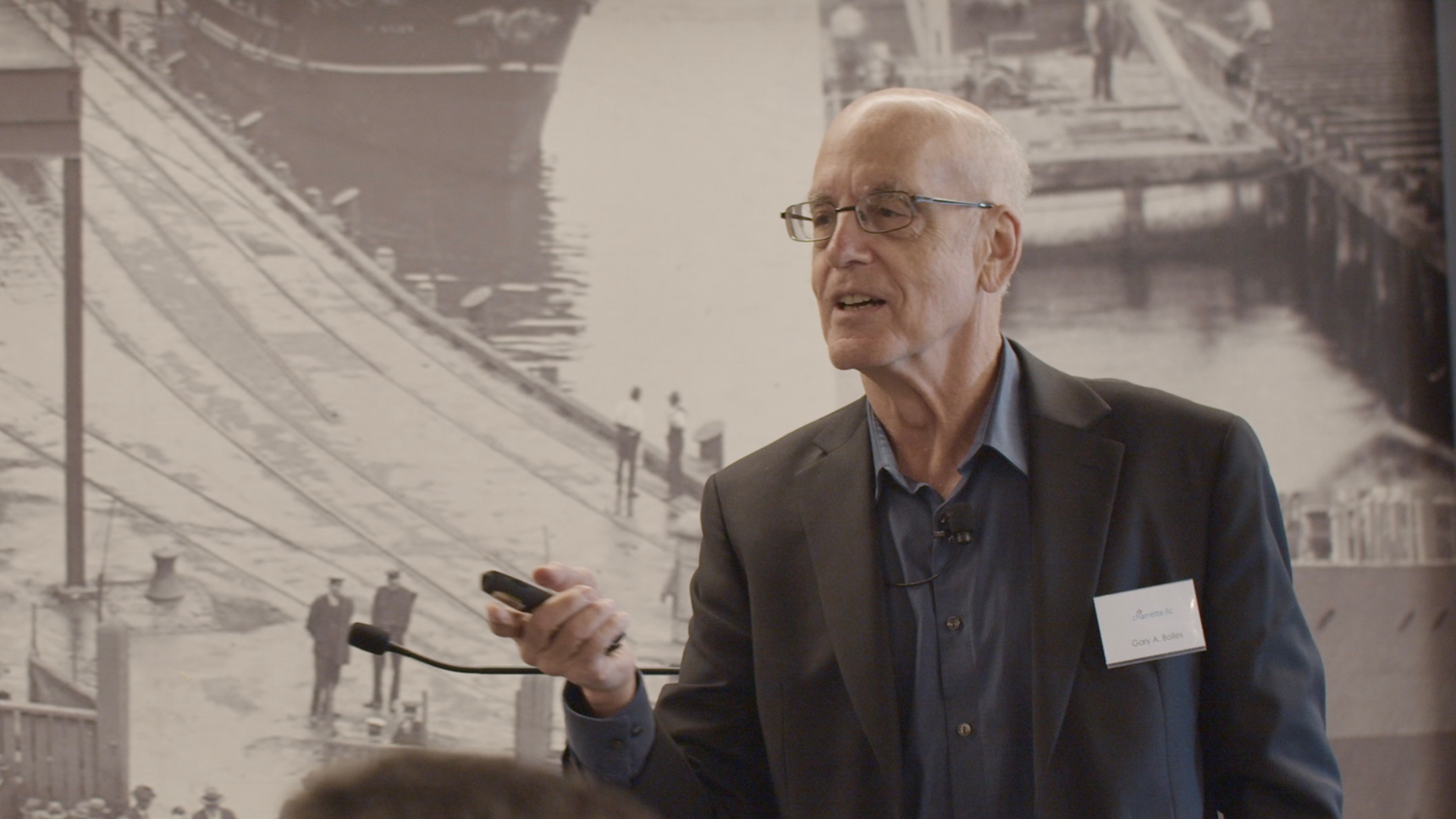
We hosted Gary A. Bolles, Chair of the Future of Work at Singularity university for two incredible days of collaboration and events in Sydney. Gary is a San Francisco-based writer, lecturer, consultant and entrepreneur focused on initiatives with impact, especially related to the future of work and learning.

Peter Coffee has ridden the Salesforce wave with his insights making him a world-renowned technologist, author, speaker and technical evangelist. Offering wide-ranging insights into how AI, big data, cloud computing and innovation practices transform industries and lives, Maximus spent a mind opening hour with him – we’ve captured our favourite insights here.

Welcome to The Great Reframe where we leave crisis behind. We believe humans were made to flourish – not resign – and now is the time to unlock potential at scale. Join us as we explore innovative ways to unlock potential and positivity across your organisation and beyond. What will you unlock?

Maximus Directors spend a mind-opening hour with Peter Coffee, VP for Strategic Research at Salesforce, exploring how Salesforce built a customer-obsessive culture and scaled a Founder’s Mindset as they grew from a start-up to a global enterprise with over 50,000 employees. We dive deep into the world of exponential change, technology, AI, and explore how the pandemic has brought technology trends forward by 5 years.
Expand your horizons, gain strategic foresight, and learn vicariously through direct exposure to the world’s sharpest minds. Maximus Directors Vanessa Gavan and James Keeler are joined by Chemi Peres, one of Israel’s foremost venture capital and innovation pioneers with a portfolio of some 230 global hi-tech companies in our first taster session of The Expedition.

Since I last wrote about building an inclusive culture that drives innovation, I’ve frequently been asked about how leaders can contribute. One thing is for sure, without leaders’ buy-in, inclusiveness will never be truly embedded.

CEOs are essential for culture transformation, but not in the way you might think. With culture at the top of the agenda for many organisations, it’s important to understand what culture is, the role top leaders play and the best way to activate change.

When I ask for examples of ‘creatives’ in a business context, most CEOs refer to graphic designers, advertising copywriters or jingle writers. They never consider that they could be — and should be — creative thinkers themselves. They are surprised when I tell them that leaders who abdicate responsibility for creative thinking to a few people in defined roles are limiting the potential of their organisations.

Australian oligopolies are falling under the onslaught of offshore alternatives, digital offerings, and more nimble competitors. Learn from organisations that are successfully disrupting themselves, even while they are still at the height of success.
Algorithms are replacing relationships and instinct in talent management, but not every CEO likes the idea of using digital tools to make people decisions. Of all the decisions a CEO makes, ensuring the right people are successfully recruited, retained and rewarded has the most impact on business growth. Unfortunately, it’s getting harder to find those people.

It’s time for Australian companies to take a more disruptive approach to developing new-economy leaders. The first in this 3-part series highlights the need for more innovation.

Two leaders give their perspectives on how seeing your people and your opportunities clearly, will enable success during tumultuous times.

Customers are your primary stakeholders. You need to understand how to live in their world in order to offer solutions that meet their needs. If you are not creating the biggest impact for your customers, then you are limiting yourself and your company’s potential. In order to develop your employees’ understanding of customer centricity, customer-centred coaching is necessary.
In a world where the user is chooser, organisations must elevate the learning experience for employees and create a proactive learning culture delivering the right content to the right people at the right time.

At Maximus, we focus on equipping leaders with the mindset to navigate complexity, and with the current global economic landscape so definitively disrupted, we ask if we as leaders are ‘match fit’ to ride the aftershocks of COVID-19.

We examine the inevitable influence of technology, and how leaders should elevate their humanity to safeguard a prosperous and thriving future, a theme that has risen to the surface of almost every conversation we’ve had with Australian executives.

For our third issue of M Magazine, we chose a theme that has surfaced again and again in client discussions with Australian executives: how do we future-proof growth for our organisations and more broadly, our nation?