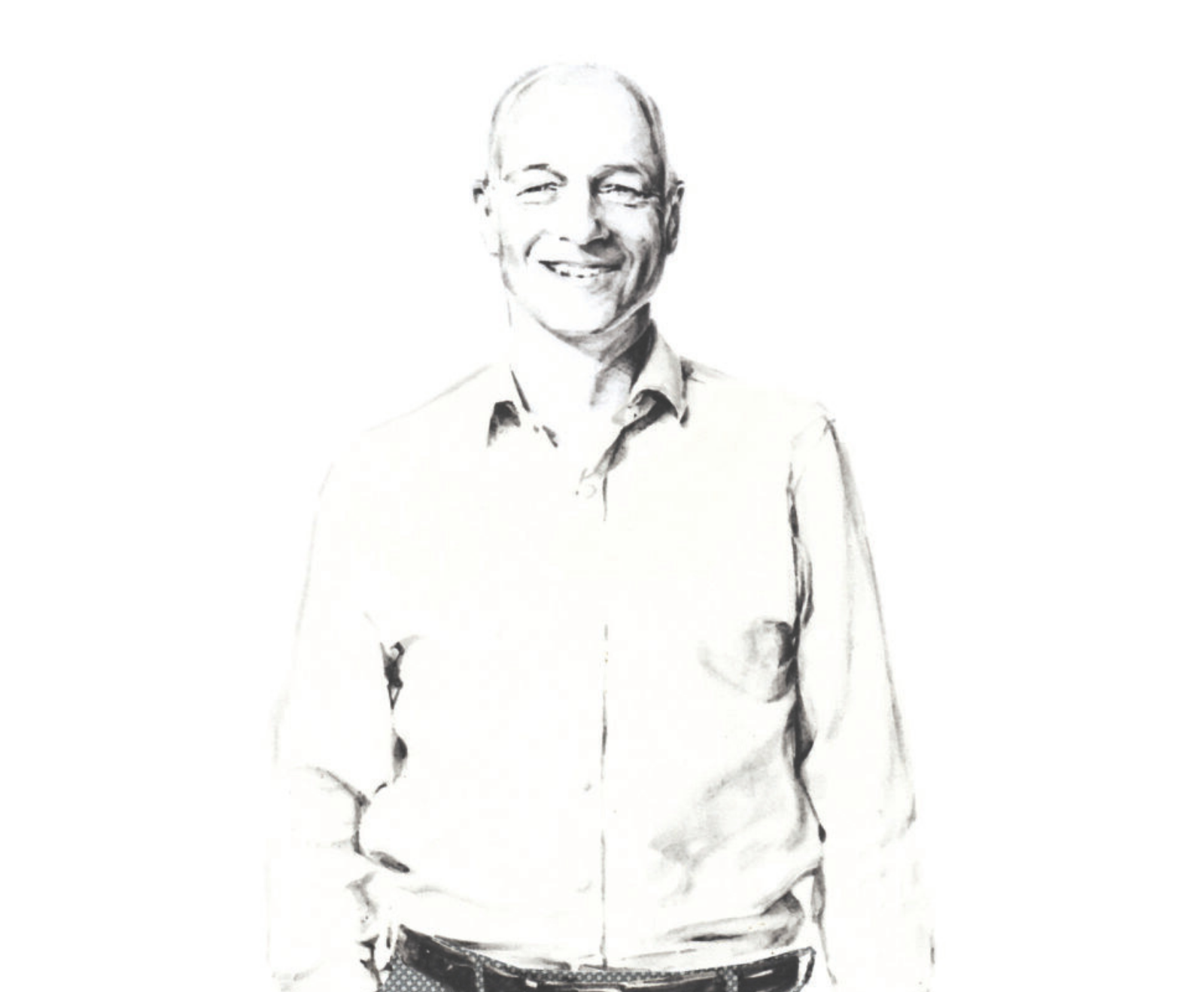
Bank On This Future-Shaping Force!
One banking leader with cred puts doing good at the centre of his corporate growth strategy.

One banking leader with cred puts doing good at the centre of his corporate growth strategy.

The Australian Financial Review spoke with Maximus Founder Vanessa Gavan, and Associate Director Katherine Boiciuc, about the fundamental leadership capabilities and mindset, required to transform an organisation.
We’re leading our organisations through a period where our closest associates may be existing in a context completely different to our own. Leaders have no choice but to get comfortable with this paradox and take a more humanistic, empathic approach.

There are no magic bullets when it comes to leadership development. While it is important to consider new literature, ideas and debate; we shouldn’t be so diverted by the latest leadership theory that we lose sight of the fundamentals of what is important to shape a good leader.

Every touchpoint in the customer experience shapes customer sentiment. With employees as a crucial touchpoint, having a workforce of brand ambassadors that delivers a consistently differentiated customer experience has never been more vital.

Since I last wrote about building an inclusive culture that drives innovation, I’ve frequently been asked about how leaders can contribute. One thing is for sure, without leaders’ buy-in, inclusiveness will never be truly embedded.

CEOs are essential for culture transformation, but not in the way you might think. With culture at the top of the agenda for many organisations, it’s important to understand what culture is, the role top leaders play and the best way to activate change.

To perform at their best, employees need to feel they belong. The concept of diversity and inclusion (D&I) has been around since the 60s and it’s excellent to see how it has matured. Some organisations are extending diversity beyond gender and culture into ways of thinking, risk profiles and leadership styles.

Leading in times of crisis and uncertainty is something with which many organisations are grappling.

Now is the time to exercise our muscle of foresight. Operating in the midst of a health and economic crisis has challenged and continues to test our ability as leaders.

When I ask for examples of ‘creatives’ in a business context, most CEOs refer to graphic designers, advertising copywriters or jingle writers. They never consider that they could be — and should be — creative thinkers themselves. They are surprised when I tell them that leaders who abdicate responsibility for creative thinking to a few people in defined roles are limiting the potential of their organisations.

If you and your business stand still, neither will survive. The only way to keep up is to have an enterprise mindset. Leaders with an enterprise mindset treat their organisations’ functions, geographies and systems as interconnected and interdependent parts of a cohesive structure with one goal: delivering what their customers want

Human resources has gotten caught up in a flurry of systems and processes. That overzealous desire for order and regulation belongs anywhere but in an organisation’s social hub. Excuse the psych jargon, but this is a prime example of Stratified Systems Theory. In other words, processes that are fundamentally human are getting policed with too much structure and complexity, making them disorienting and ineffective.

Being a great consultant means creating meaningful relationships that last. Strong network ties and client engagement creates clients for life that not only create more opportunities for billable work, but also opens doors for exciting consulting opportunities.

The Coronavirus pandemic is the black swan event of our times. In his book, Antifragile, Nassim Nicholas Taleb sets the scene for understanding that the subsequent turmoil of black swan events is caused by fragility; and cultivating antifragility is the antidote.

Whether you’re transforming your capabilities or facing up to the fact that you are better off honing your skills in other directions, it’s all part of the journey. In this article, Vanessa Gavan discusses the three vital shifts for any leader intent on advancing to the C-Suite.
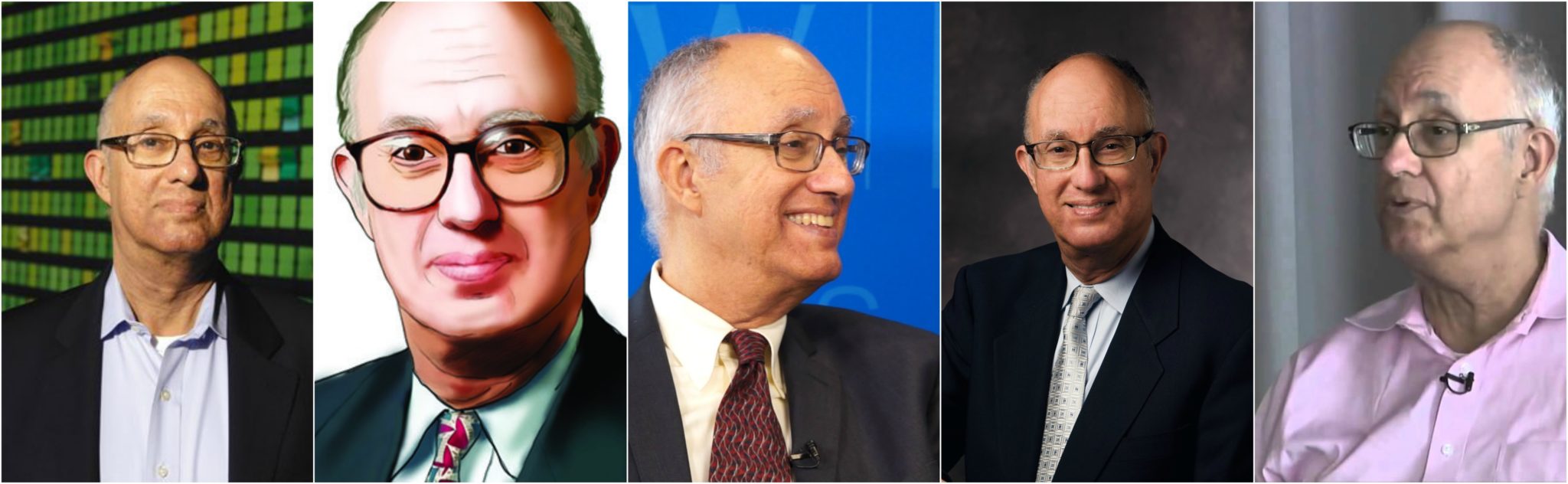
Jeffrey Pfeffer is considered one of the world’s most influential management thinkers. He is the author of several best-selling books and a Professor of Organisational Behaviour at the Graduate School of Business, Stanford University. We caught up with him ahead of his Australian trip for Fire Up The Future.

This International Women’s Day we wanted to celebrate some of the incredible women shaping our world for the better.

The future demands a new leader who inspires and trusts confidently turns toward technological change. Maximus explores why…

There is no denying the last 12 months have been the most disruptive, mutable, and influential in recent times. We have seen the light on leaders go from a spotlight to a floodlight – presenting them with the ultimate burning platform

At Maximus, we focus on equipping leaders with the mindset to navigate complexity, and with the current global economic landscape so definitively disrupted, we ask if we as leaders are ‘match fit’ to ride the aftershocks of COVID-19.